|
Tot ook ik verwaai (Until I too drift away) is a poetry memoir about a mother with Alzheimers. This volume
of 37 poems was published in 2009 by Podium Publishers. Two years later it was nominated for the J.C. Bloem-poëzieprijs.
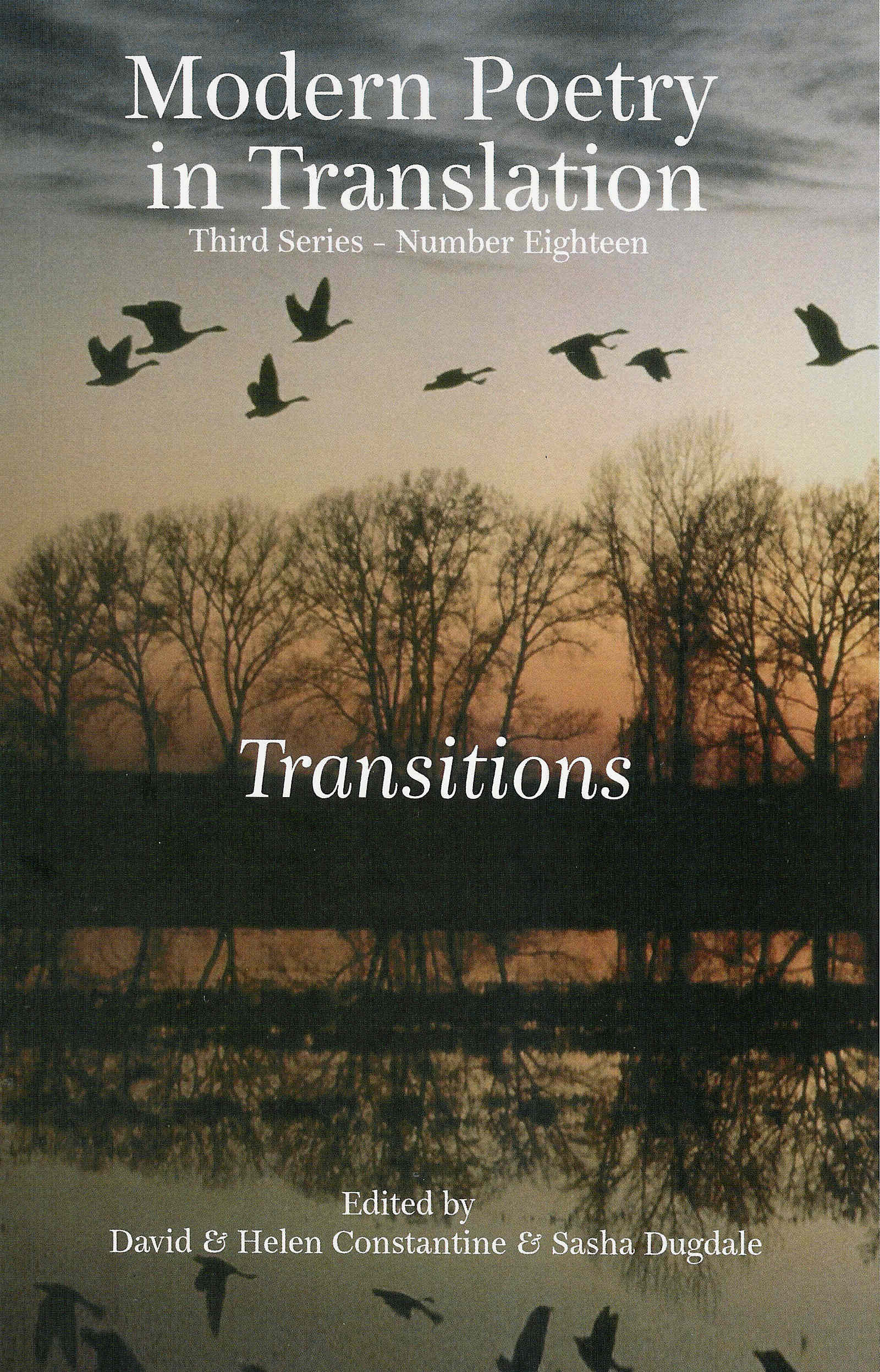
Translator Thea Summerfield translated six poems. They were published in the 'Transitions' issue of Modern Poetry in Translation, autumn 2012.
*
Bij het zien van zijn lichaam (At the sight of his body) is a collection of 44 sonnets on corporality.
While people around us fall ill and die, the need for love and sex for those who remain healthy would only seem to increase. Perhaps it stems from despair, an indulging in pleasure before it is too late, perhaps it is the joy of living. Probably both.
Translator John Irons translated the whole collection into English.
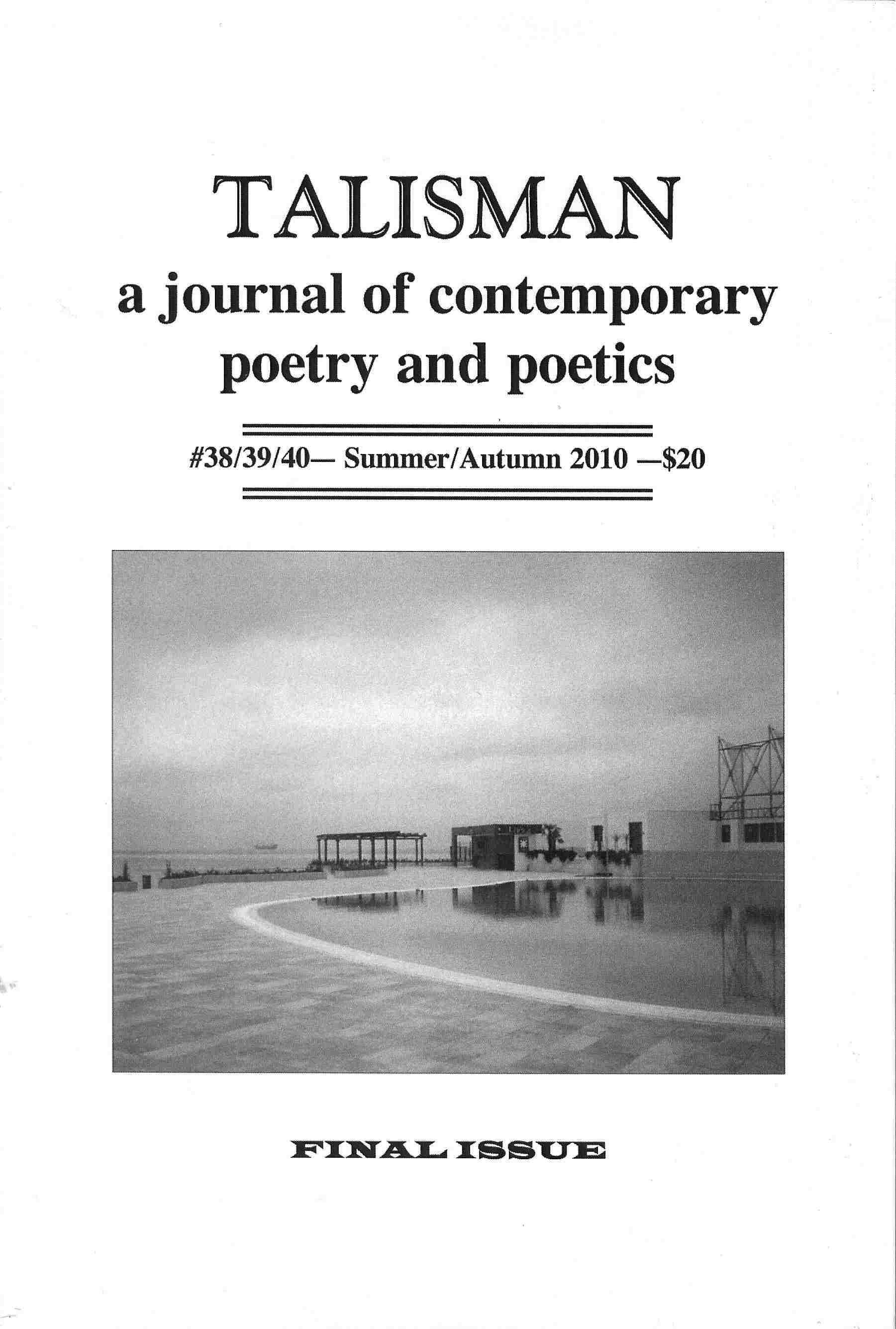
Autumn 2010 six of these poems have been published in the final issue of Talisman.
Spring 2010 three of these poems have been published in the New York based magazine Ganymede.
* *
During the International Poetry Festival Indonesia in the summer of 2006 I wrote a protest poem against all the politically charged poetry of poets who seemed to be completely sure about the way the world is made. The poem is called 'A plea for doubt'. The original dutch version is called 'Pleidooi voor twijfel'.
The english translation was made with the help of translator Linde Voûte.
* * *
A rather different poem is `Never realised and never reached`. The title of the poem is a line from the quatrain on the plinth of the bust of poet and classicist J.H. Leopold, formerly in the Rotterdam Museumpark.
The poem itself is a variation on the first 20 lines of Leopold's most famous poem, 'Cheops', about the death and afterlife of the Egyptian pharaoh.
It was translated by Willem Groenewegen.
The dutch version, 'Nooit beseft en nooit bereikt', was set to music and sung by Peter Goedhart.
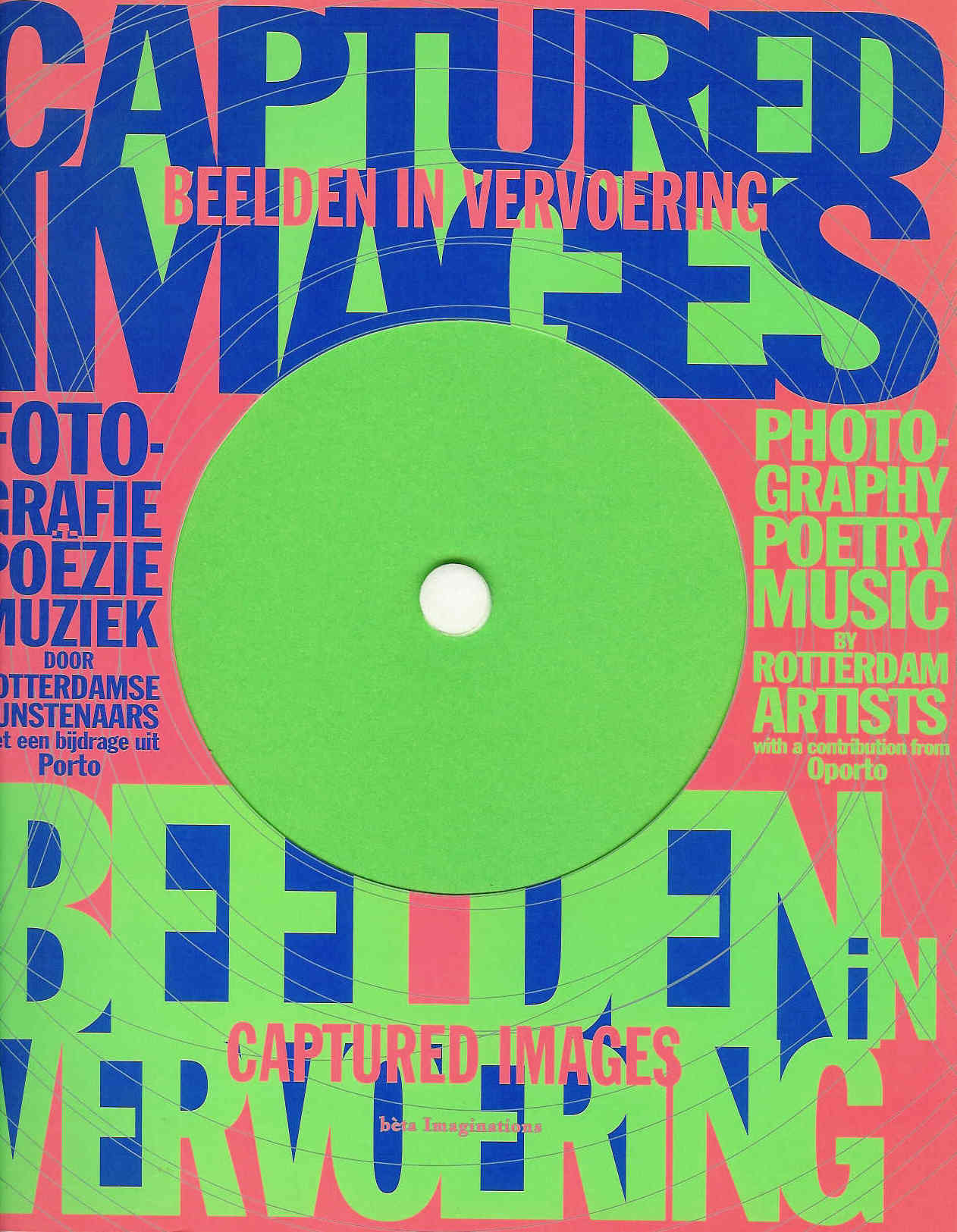
Published in 'Beelden in vervoering', Bèta Imaginations, Rotterdam, 2001
Click here to read the poem.
* * * *
In 2015 the Rotterdam City Poet Hester Knibbe launched the 'Kunst&Poezie App'. With this app one can stroll along fifteen different sculptures in public spaces in Rotterdam and listen at the same time to the accompanying poems. For this project I wrote a poem about the famous sculpture 'The River', made by the well known visual artist Lon Pennock.
BEELD op BLAAK
Zijn het twee armen zonder handen
licht geneigd als klemmen ze leegte
vast, de ochtendzon, een havenstad
zijn het grenspalen van een vergeten
niemandsland, twee gouden tanden
van een Rotterdamse Reus, zijn elf
meter lange lichaam verdubbeld in
de grond, zijn het de benen van een
goddelijk instrument, poten van een
prehistorische vogel, zijn het stelten
van een bovenmaatse circusartiest?
Is het een tang om wolken te vangen
gebakjes geklopt van room en eiwit
in een azuurblauwe vitrine, is 't een
eerbetoon aan de lijstenmaker, één
zijde open, verbeelding vraagt om
lucht, is het een Tweestromenland
90 graden gekanteld om uitzicht te
bieden op herkomst, reisdoel? Of
zijn het twee metalen platen, die
eerst in ijle hoogten elkaar raken
door geen voorbijganger gezien -
|
|
BLAAK in BRONZE
Are they two arms without hands
light-inclined as though clamping
a void, the morning sun, a port city
are they border markers in forgotten
no man's land, two golden teeth of
a Rotterdam Giant, his eleven-meter
long body bent double beneath the
surface, are they the limbs of some
divine instrument, the legs perhaps
of a prehistoric bird, are they the
stilts of an outsized circus artist?
Is it a pair of tongs to catch the beaten
up cream and egg white cloud cakes
in an azure blue display case, is it a
tribute to the frame-maker, with one
side open, imagination requires some
space, is it a Mesopotamia tilted 90
degrees on its side to provide a port
of departure prospect, a destination?
Or are they two metal plates which
though noticed by no passer-by first
touch each other at rarefied heights -
Translation: Diane Butterman
|
* * * * *
|